

Introduction
The meaning of gut health goes beyond digestion—it plays a vital role in hormonal balance, influencing energy levels, metabolism, and mood. Many people struggle with unexplained fatigue, weight fluctuations, mood swings, or digestive discomfort without realizing that poor gut health may be the root cause.
The gut health meaning lies in the gut microbiome, a complex ecosystem of bacteria, fungi, and other microbes that regulate essential hormones like estrogen, cortisol, insulin, and thyroid hormones. When gut health is imbalanced, hormone levels fluctuate, leading to various health issues.
In this article, we’ll explore the meaning of gut health in relation to hormone balance and share actionable strategies to optimize both for overall well-being.

Understanding the Gut Microbiome and Its Role in Hormonal Balance
The gut microbiome consists of trillions of microorganisms residing in your digestive tract. These microbes perform essential functions such as:
- Breaking down food and extracting nutrients
- Producing neurotransmitters like serotonin
- Regulating the immune system
- Influencing metabolic and hormonal activity
When the gut microbiome is balanced, these processes work smoothly, supporting overall health. However, an imbalance, known as dysbiosis, can trigger inflammation, digestive issues, and hormonal disruptions.
The Gut-Hormone Axis: How They Communicate
The gut communicates with the endocrine system through various pathways, including:
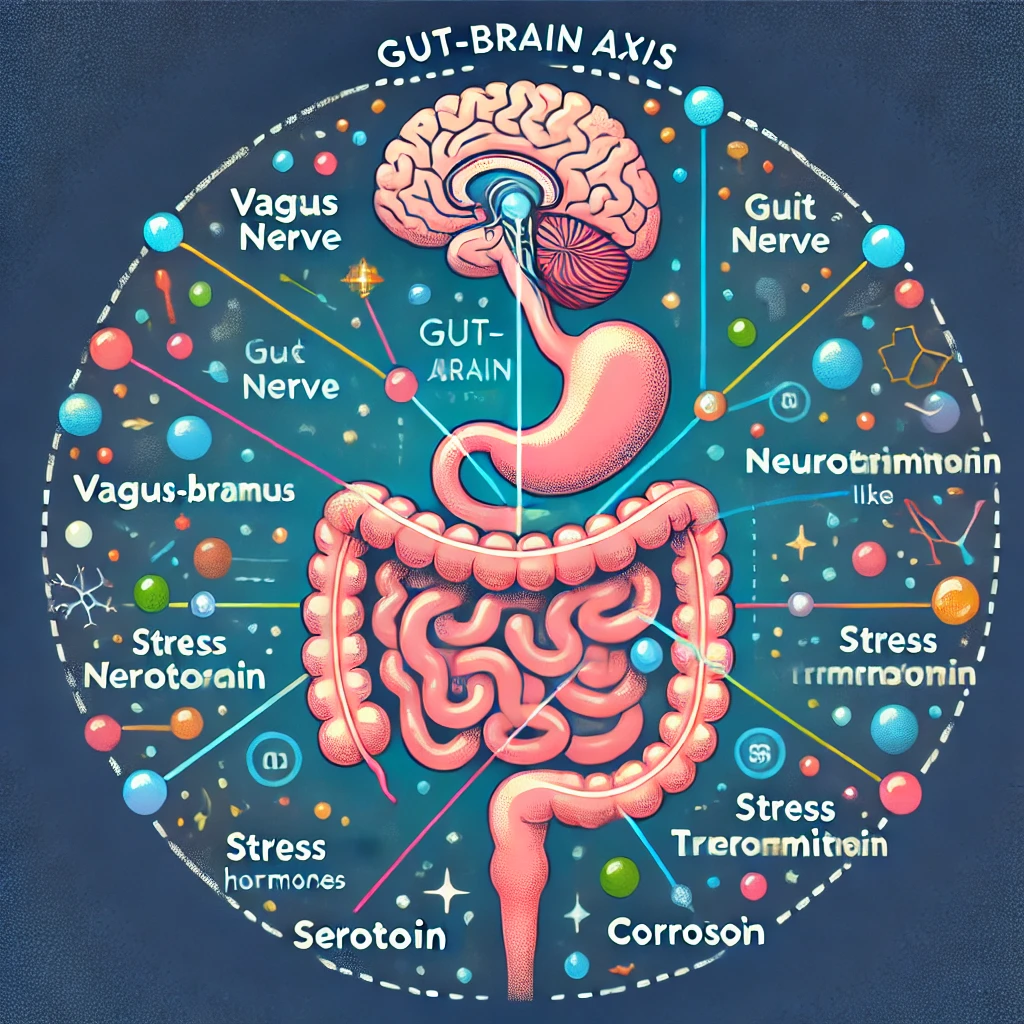
- The Gut-Brain Axis: The vagus nerve connects the gut and brain, influencing stress hormones like cortisol.
- The Estrobolome: This subset of gut bacteria regulates estrogen metabolism, impacting reproductive and metabolic health.
- Short-Chain Fatty Acids (SCFAs): Produced by gut bacteria, SCFAs influence insulin sensitivity and inflammation.
How Gut Health Impacts Specific Hormones
1. Estrogen and the Gut
Estrogen plays a crucial role in reproductive health, metabolism, and mood regulation. The gut microbiome helps regulate estrogen levels by breaking down and recycling excess estrogen.
When gut bacteria are imbalanced, estrogen clearance can be impaired, leading to:
- Estrogen dominance (linked to PMS, weight gain, and endometriosis)
- Low estrogen levels (causing fatigue, mood swings, and bone loss)
To support estrogen balance, a fiber-rich diet and probiotic-rich foods can enhance estrogen metabolism.
2. Cortisol and Stress Response
Cortisol, the body’s primary stress hormone, is influenced by gut bacteria. Chronic stress and gut imbalances can elevate cortisol, leading to:
- Increased belly fat
- Anxiety and depression
- Insulin resistance
Managing stress through diet, mindfulness, and gut-friendly foods helps regulate cortisol levels.
3. Thyroid Hormones and Gut Health
Thyroid function depends on gut bacteria to convert inactive T4 hormone into active T3. Poor gut health can impair this conversion, leading to hypothyroid symptoms such as:
- Fatigue
- Weight gain
- Hair thinning
A diverse microbiome supports efficient thyroid hormone conversion and metabolism.
4. Insulin and Metabolic Health
A healthy gut microbiome enhances insulin sensitivity, reducing the risk of diabetes and metabolic disorders. An unhealthy gut can cause insulin resistance, leading to:
- Blood sugar fluctuations
- Fatigue
- Increased cravings
Balancing blood sugar through diet, fiber intake, and probiotics supports insulin regulation.
5 Key Strategies to Improve Gut Health and Hormonal Balance
1. Adopt a Gut-Friendly Diet
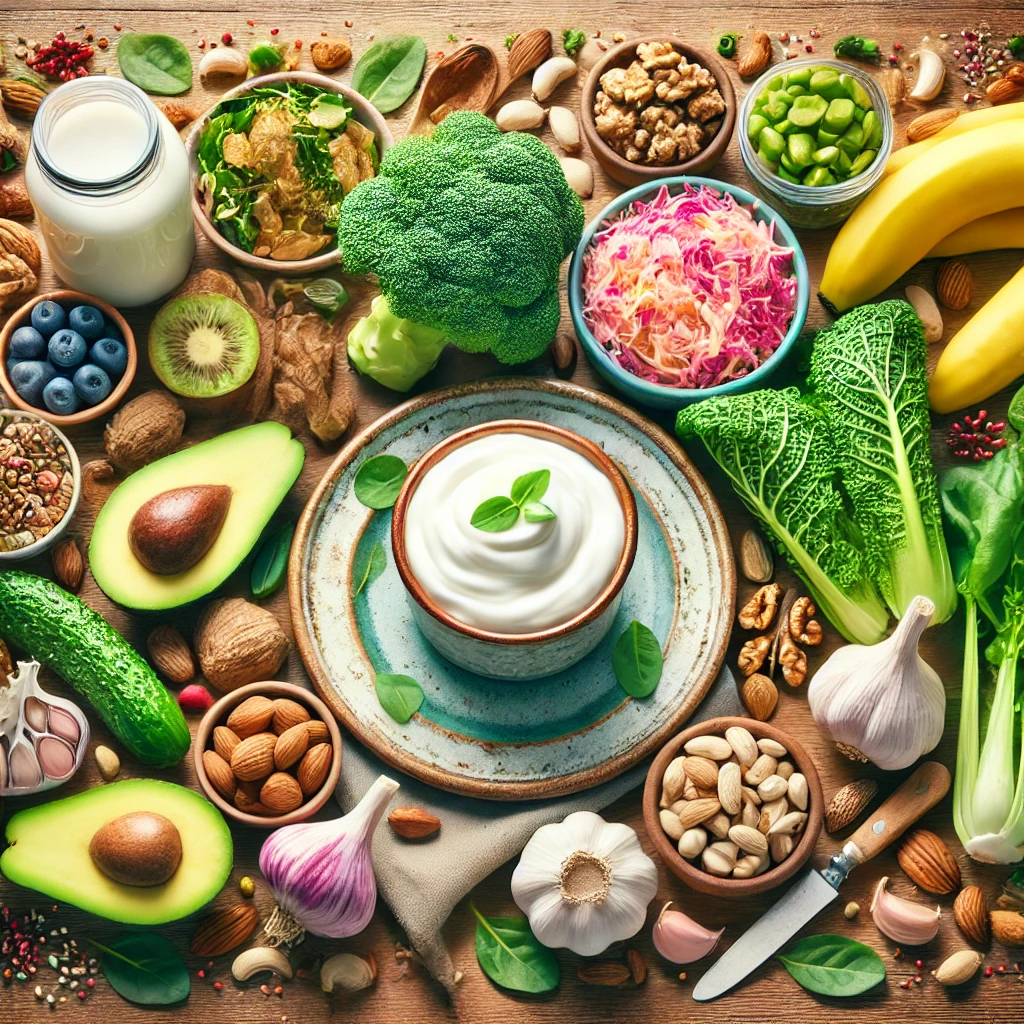
Your diet is the foundation of gut health. Key foods that support the microbiome include:
- Probiotics: Yogurt, kefir, kimchi, and sauerkraut to introduce beneficial bacteria.
- Prebiotics: Garlic, onions, asparagus, and bananas to feed good bacteria.
- Fiber-Rich Foods: Whole grains, legumes, and vegetables to support digestion.
- Healthy Fats: Avocados, nuts, and olive oil to reduce inflammation.
2. Manage Stress for a Balanced Gut
Chronic stress alters gut bacteria, leading to inflammation and hormone imbalances. To reduce stress:
- Practice meditation and deep breathing
- Engage in regular physical activity
- Prioritize sleep (7-9 hours per night)
- Limit caffeine and alcohol consumption
3. Optimize Digestion with Lifestyle Changes
Proper digestion ensures nutrient absorption and hormonal stability. Enhance digestion by:
- Chewing food thoroughly
- Staying hydrated
- Eating smaller, balanced meals
- Avoiding processed foods and excessive sugar
4. Support Hormone Detoxification
The liver and gut work together to detoxify excess hormones. You can support detoxification by:
- Drinking plenty of water
- Eating cruciferous vegetables (broccoli, kale, Brussels sprouts)
- Avoiding environmental toxins (plastics, pesticides, synthetic hormones)
5. Consider Gut-Healing Supplements
Certain supplements help restore gut health and hormonal balance:
- Probiotics: Replenish beneficial gut bacteria.
- Digestive Enzymes: Aid in food breakdown.
- L-Glutamine: Supports gut lining repair.
- Magnesium: Regulates stress and hormone levels.
Signs Your Gut Needs Attention
If you experience any of the following, your gut health may need improvement:
- Frequent bloating or gas
- Irregular bowel movements
- Unexplained fatigue
- Mood swings or anxiety
- Skin issues like acne or eczema
- Sugar cravings
Addressing gut health can lead to noticeable improvements in energy, digestion, and overall well-being.
Internal Resources for Further Reading
For more insights on health and its impact on wellness, explore these articles on TopBloggingHub.com:
External Resource for Further Learning
For a comprehensive understanding of the gut-hormone connection, check out this trusted source:
Conclusion
The gut-hormone connection plays a vital role in overall health. By nurturing gut health through diet, lifestyle changes, and targeted supplements, you can achieve better hormonal balance and improved well-being. Small, consistent steps toward better gut health will create lasting benefits for both your digestive and hormonal systems.
Start prioritizing your gut today—your hormones will thank you!

Pingback: The Link Between Physical and Mental Well-Being Explained